

How to Plan a Hen Party: 10-Step UK Checklist
To plan a hen party without unnecessary stress, agree the bride's priorities first, then settle the guest list, affordable budget and date before booking anything. The celebration can be a dinner, an afternoon at home, a day activity or a weekend away; it does not need to follow a fixed formula.
This ten-step UK checklist keeps decisions in the right order and gives the organiser a clear way to manage costs, communication and the day itself.
1. Agree the bride's boundaries and priorities
Have a private conversation with the bride before starting a group chat. Ask what kind of celebration she would enjoy, whether she wants to help with decisions, and what she definitely does not want. Cover travel, overnight stays, alcohol, photographs, surprises and any activities she would find uncomfortable.
Write down three priorities, such as “relaxed, one-day and easy to reach”. Use them to judge every later idea. A surprise can still work, but the organiser should know the bride's limits.
2. Build the guest list with the bride
Do not guess who should attend. Ask the bride for the names and contact details, including family members, friends and colleagues she genuinely wants there. Mixed-age, mixed-gender and small groups are all normal if they suit her relationships.
Before inviting anyone, read our guide to building a hen party guest list. It covers group size, family dynamics and how to handle uncertain invitations.
3. Set a realistic per-person budget
Ask guests for an affordable maximum rather than presenting an expensive plan as a finished decision. Separate essentials from optional extras and show what the estimated price includes.
- Activity or venue
- Food and planned drinks
- Travel and local transport
- Accommodation, if required
- The bride's share, if the group chooses to cover it
- A small contingency
Do not assume everyone can subsidise the bride or attend an overnight trip. The guide to who pays for a hen party includes fair payment options and deposit management.
4. Find a date before choosing a venue
Offer two or three realistic dates and set a response deadline. Ask for definite availability, not a preferred month. Once the bride and the people she considers essential can attend, choose the date and explain that late changes may not be possible.
Leave enough space before the wedding for rest, travel disruption and final preparations. There is no universal “correct” weekend; use the bride's calendar, health, work and family commitments.
5. Choose the format and location
Compare ideas against the agreed priorities and total cost. Useful formats include:
- At home: flexible, private and often the easiest option for different ages or energy levels.
- Local day: one booked activity followed by lunch or dinner, with no accommodation cost.
- Evening event: simple to organise but consider transport home and whether every guest enjoys nightlife.
- Weekend away: more shared time, but higher cost and more complex travel, room and cancellation arrangements.
Check step-free access, seating, parking or public transport, dietary arrangements, noise limits, room sharing and cancellation terms before paying a deposit.
6. Book one main activity
Start with one activity the bride will value, then leave space around it. A workshop, spa session, afternoon tea, meal, escape room, show or private class can anchor the day. Confirm the exact duration, minimum numbers, age restrictions, accessibility, clothing requirements and refund terms in writing.
Avoid filling every hour. Guests need time to arrive, eat, change venue and talk. Make alcohol optional and offer enjoyable alcohol-free choices from the start.
7. Confirm costs and collect deposits
Send one clear summary before collecting money: the date, location, confirmed activity, itemised estimate, payment deadline and what is refundable. Keep a simple payment record visible only to the organiser or a trusted helper.
A bank transfer or established payment app can make collection easier, but use one method and label every payment. Never share anyone's personal payment details in a public group. Do not commit a guest to a non-refundable cost until they have explicitly agreed.
8. Add games, food and personal touches
Choose two or three optional games that fit the venue and group. Our guide to 12 hen party games includes seated, mixed-age and low-pressure options with complete rules.
Plan food early enough to collect dietary and allergy information. Personal touches can be inexpensive: a playlist, approved photographs, written memories, place cards or a short message from each guest. Ask before displaying or posting personal photographs.
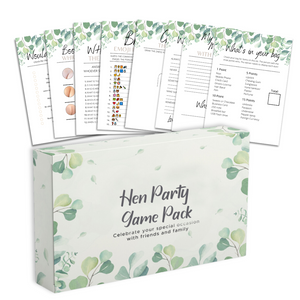
For ready-to-play packs, browse hen party and hen do games.
9. Write a simple running order
Share the practical information a week or two before the event. Include addresses, arrival time, transport, clothing, what is already paid, what guests need to bring and the organiser's contact number.
Use our hen party accessories checklist to separate shared supplies from personal essentials and optional extras before sending the packing list.
Example local hen party schedule
- 12:30: arrivals and lunch
- 14:00: booked activity
- 16:00: break, photographs and check-in
- 17:00: optional games or free time
- 19:00: dinner
- 21:00: evening plans or planned transport home
Add realistic travel time and avoid making the bride responsible for keeping the event on schedule.
10. Prepare a contingency plan
Check the forecast, venue contacts and transport shortly before the event. Decide what happens if someone is late, an outdoor activity is cancelled or guest numbers fall. Keep booking references, emergency contacts and accessibility notes with one organiser and one backup person.
If plans change, communicate the practical facts without discussing an individual's private reason in the group.
A compact at-home hen party plan
An at-home celebration can feel intentional without a large budget. Use a three-part structure:
- Welcome: drinks, food and a gentle table icebreaker.
- Main activity: a craft, tasting with clear allergy information, hired instructor, film theme or team quiz.
- Personal finish: memory cards, photographs, a playlist and one bride-focused game.
Confirm seating, neighbours, music volume, food storage, overnight arrangements and how everyone will travel home. Do not assume the host should cover every cost; agree shopping and cleaning responsibilities in advance.
Who is responsible for what?
- Bride: boundaries, essential guests and final approval on anything personal or expensive.
- Lead organiser: timeline, supplier contact, payment record and clear updates.
- Helpers: one defined task each, such as accommodation, games or restaurant arrangements.
- Guests: respond by deadlines, disclose relevant access or dietary needs privately, and pay agreed costs on time.
Frequently asked questions
Who normally plans the hen party?
A maid of honour, bridesmaid, friend or family member often leads, but there is no rule. The bride may plan it herself or share responsibility. One named organiser prevents suppliers and guests receiving conflicting instructions.
How far in advance should you start?
For a local day or evening, begin several months ahead if a particular date or venue matters. Weekend trips need longer because guests require notice for budgets, travel and leave. For a small at-home event, the process can be shorter.
Does a hen party need a theme?
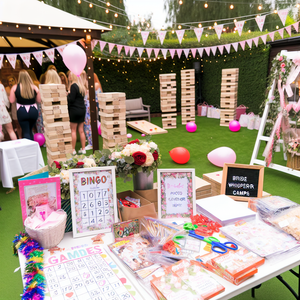
No. A consistent colour, playlist or table setting is enough if the bride does not want fancy dress. The format and people matter more than matching decorations.
What is the biggest planning mistake?
Booking an expensive plan before the bride's boundaries, essential guests and affordable budget are known. Make those three decisions first, then take deposits.