

Hen Party for a Pregnant Bride: Practical Planning Guide
A hen party for a pregnant bride can still feel like a proper celebration. Start with what she wants, keep the plan flexible and make it easy for her—or any guest—to rest, leave early or skip an activity without becoming the centre of attention.
Pregnancy affects people differently, so a party guide cannot decide whether a specific trip, treatment, food or activity is suitable. The bride should follow her own maternity team's advice, particularly if she has symptoms, complications or concerns.
Ask the bride these six questions first
- What would feel celebratory? She may want dinner and games, a creative afternoon, a relaxed overnight stay or the same lively party she would have chosen before pregnancy.
- How long feels manageable? Agree a likely start and finish time, with permission to change it later.
- Who matters most? Check essential guests before opening a large date poll. Our hen party guest-list guide.
- What is the comfortable budget? Include travel, food, accommodation and activities. Ask privately and get agreement before taking deposits.
- What needs adapting? Ask about seating, toilets, transport, food, rest breaks and any access requirements without asking for medical details.
- What should remain private? Do not announce the pregnancy, share photographs or build baby-themed activities into the day without her consent.
Pick the date around the bride, not a pregnancy rule
There is no universal “best trimester” for a hen party. Energy, symptoms, appointments and travel plans vary. Agree two or three realistic dates with the bride and check the key guests. The hen party timing guide explains how to work backwards from the celebration date.
A local, shorter event is easier to adjust at short notice. For a trip, check travel time, healthcare access, insurance and provider terms before paying. NHS guidance says most women can travel with suitable precautions, but anyone with pregnancy complications or health concerns should discuss flying with their midwife or doctor. Airlines can also have their own rules. Read the current NHS guidance on travelling in pregnancy.
Choose a comfortable venue
Look for straightforward transport, nearby toilets, seating with back support, space away from noise, food that suits the group and a clear cancellation policy. Check stairs, walking distances and parking rather than assuming a venue is accessible.
Useful formats include:
- At home or a hired room: flexible timing, familiar food and easy quiet space.
- Afternoon tea or dinner: one main booking and less travel between activities.
- Craft or games afternoon: seated options with no pressure to perform.
- Local overnight stay: private rest space while other guests continue later if they wish.
For a spa, treatment or fitness class, tell the provider about the pregnancy before booking and ask what qualifications, adaptations and restrictions apply. Do not assume a treatment labelled “natural”, a hot facility or a standard class is suitable. The bride can check any uncertainty with her midwife or doctor.
Build a flexible schedule
A simple four-hour plan might be:
- 1:00 pm: arrivals, drinks and food.
- 1:45 pm: one seated game or shared activity.
- 2:15 pm: open time for conversation, photographs or a quiet break.
- 3:00 pm: main activity, with a sitting-out option.
- 4:00 pm: cake, messages for the bride and an easy finish.
- 5:00 pm: planned end; anyone who wants to can continue elsewhere.
Keep one organiser responsible for timings and changes. Share addresses, transport details, access information and an emergency contact in one concise message. Do not publish the bride's pregnancy or health information in the group chat.
Activities that do not revolve around alcohol
Choose activities because the bride enjoys them, not because they appear on a “pregnancy-friendly” list. Options that can be adapted include:
- a quiz about the couple, using questions they approve;
- a photo challenge without drinking penalties or risky poses;
- a playlist game, bingo or seated drawing round;
- flower arranging, pottery painting or another provider-led craft;
- a cinema screening, show or meal;
- messages, memories or date-night suggestions collected in a book.
Avoid making baby names, birth predictions or parenting advice the default theme. She is celebrating her wedding, and she may not want pregnancy to lead every conversation.
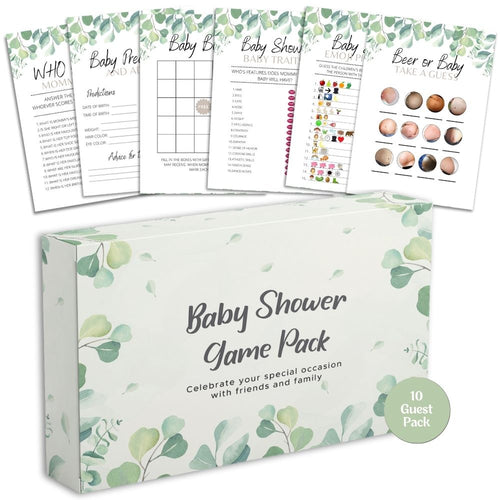
If games suit the group, use our hen party games guide to choose a format with opt-in participation. Our hen party games collection contains ready-made options, but buying games is not necessary.
Check physical activities rather than guessing
The NHS says people can generally continue normal physical activity during pregnancy for as long as it feels comfortable, while avoiding exhaustion and slowing down if their maternity team advises it. It also identifies activities with a risk of falling, contact sports, scuba diving and exercise at high altitude as requiring avoidance or particular caution. See the full, current NHS exercise guidance for pregnancy.
Ask the bride before booking dancing, long walks or active challenges. Tell instructors about the pregnancy and stage before the session. Offer a seated or non-playing role for everybody, not just the bride, and build in water and breaks.
Food and drink planning
Ask the venue for ingredient and allergen information, and give the bride the final menu before the day. Provide appealing alcohol-free drinks to everyone without highlighting who chooses them.
NHS guidance says the safest approach in pregnancy is not to drink alcohol. It also lists foods to avoid or handle carefully and advises limiting caffeine to 200mg a day. Because ingredients and preparation matter, use the current NHS foods and drinks guidance instead of relying on a simplified party checklist.
Do not pressure the bride to explain what she eats or drinks. If she asks whether a particular ingredient, supplement or herbal tea is suitable, encourage her to check reliable guidance or ask her midwife, GP or pharmacist.
Make the party inclusive for the whole group
- Do not make every activity alcohol-based and then give one person a substitute.
- Share realistic walking distances, footwear needs and venue access in advance.
- Plan regular food, water and toilet opportunities.
- Make photographs optional and ask before sharing them.
- Avoid jokes about bodies, fertility, birth, drinking or parenting.
- Let anyone leave early without an explanation or penalty.
Agree costs and cancellation terms
Tell each guest the full proposed price, what it includes, the payment dates and which amounts may be non-refundable. Do not add surprise costs after people commit. Check written amendment and cancellation terms before promising refunds or replacement dates.
Use our hen party cost-sharing guide to agree the bride's contribution and split shared expenses fairly. For the whole process, follow the hen party planning checklist.
A final organiser checklist
- The bride chose the style, boundaries, date and guest list.
- The full cost and cancellation terms were agreed before deposits.
- The venue confirmed access, food information and any activity restrictions.
- Travel and insurance were checked where relevant.
- The schedule includes seating, food, water, toilets and rest time.
- Games and photographs are optional.
- One organiser can change or shorten the plan on the day.
- Medical questions go to the bride's maternity team, not the group chat.
The best result is not a supposedly perfect “pregnancy-safe” itinerary. It is a celebration the bride has helped choose, with good information, flexible options and friends who listen if her needs change.